
Water Softeners That Improve Home Water Quality Fast
Addressing harsh mineral buildup in your household plumbing becomes remarkably simpler when you install the correct conditioning equipment. Residents frequently notice stubborn mineral stains on dishes and feel an uncomfortable soapy residue on their skin after bathing in untreated conditions. Implementing an effective treatment solution immediately reverses these adverse effects while protecting your valuable plumbing infrastructure from long-term degradation.
Analyzing Hard Water Impacts
When subterranean aquifers collect moisture from rain, the fluid naturally percolates through various geological formations, absorbing dissolved calcium and magnesium. This mineral content defines the hardness of the fluid entering your residence, dictating the severity of scaling issues throughout your domestic infrastructure. Homeowners often struggle to identify the root cause of their plumbing deterioration until they witness the chalky white residue accumulating around showerheads, drains, and faucets. These deposits require intense scrubbing with acidic cleaners, transforming basic chores into exhausting labor. As rigid mineral scale thickens along the interior walls of your copper tubing, the internal diameter shrinks, restricting overall flow and reducing available pressure at every tap.
Beyond structural plumbing damage, untreated harsh minerals wreak absolute havoc on your expensive water-using appliances. Heating elements inside your dishwasher become entirely encrusted with rock-like insulation, forcing the machinery to consume far more energy to reach optimal operating temperatures. This thermal strain inevitably causes premature mechanical failures, forcing homeowners to purchase replacement appliances sooner than expected. Your wardrobe also suffers collateral damage, as jagged microscopic mineral crystals embed themselves deep within fabric fibers during every laundry cycle. Brightly colored garments fade into dull shades, while plush bath towels transform into scratchy fabrics that irritate sensitive skin. Investing in premium water softeners immediately halts this widespread degradation, ensuring your home environment remains pristine and personal comfort remains uncompromised.
Exploring Ion Exchange Processes
The main softening process utilized by standard water softeners relies heavily on a specialized chemical reaction known as ion exchange, which occurs seamlessly within the pressurized resin tank. This cylindrical vessel houses countless microscopic plastic beads engineered with a negative electrical charge. Because problematic calcium and magnesium contaminants carry a naturally positive charge, they are magnetically drawn toward the resin bed as incoming municipal supply flows downward through the vessel. Before the conditioning cycle begins, the resin beads are coated with a harmless layer of sodium, possessing a weaker positive charge than destructive hardness minerals.
As the hard supply forcefully washes over the resin matrix, stronger calcium and magnesium particles physically knock the weaker sodium particles off the plastic beads, securely attaching themselves to the negative sites. The newly displaced sodium then flows harmlessly into your domestic plumbing network, while destructive elements remain trapped inside the main cylinder. This brilliant swap produces incredibly silky, pure results without requiring complex mechanical filtration membranes. However, the resin bed eventually reaches maximum holding capacity, meaning every microscopic bead becomes saturated with hardened scale. At this critical juncture, the appliance must initiate an automatic regeneration cycle to flush accumulated debris and recharge the media bed. An auxiliary storage bin holds a highly concentrated saline mixture that gets siphoned directly into the exhausted main vessel. The overwhelming concentration of fresh sodium violently strips stubborn calcium away, flushing waste harmlessly through your municipal sewage line and restoring the entire system.
Assessing System Energy Requirements
Many energy-conscious homeowners naturally worry about the electrical burden associated with running automated plumbing appliances. Fortunately, contemporary conditioning technology prioritizes conservation, relying on domestic municipal pressure rather than motorized pumps to push fluid through the resin matrix. The only components actively consuming electricity are the digital control head, the internal clock timer, and the motorized valve directing flow during periodic regeneration phases. Because these elements operate sporadically, the total power draw remains minimal compared to standard household appliances like refrigerators or furnaces. According to findings by HomeGuide, an average residential conditioning system uses 70 kilowatt-hours (kWh) of electricity annually and draws roughly 0.5 amps of current.
This low electrical footprint means monthly utility bills remain virtually unchanged despite massive improvements to your domestic lifestyle. Modern water softeners feature highly efficient microprocessors that precisely track volumetric consumption rather than relying on outdated mechanical timers. By intelligently delaying regeneration until the resin bed reaches maximum capacity, these smart controllers prevent unnecessary mechanical cycles, further reducing power consumption and saline waste. Power supplies accompanying these units step down standard household voltage to safe levels, ensuring internal circuitry remains protected against unexpected power surges. Homeowners experiencing sudden outages need not worry, as premium digital heads contain battery backups retaining programming parameters and usage data until the electrical grid comes back online.
Reviewing Proper Setup Procedures
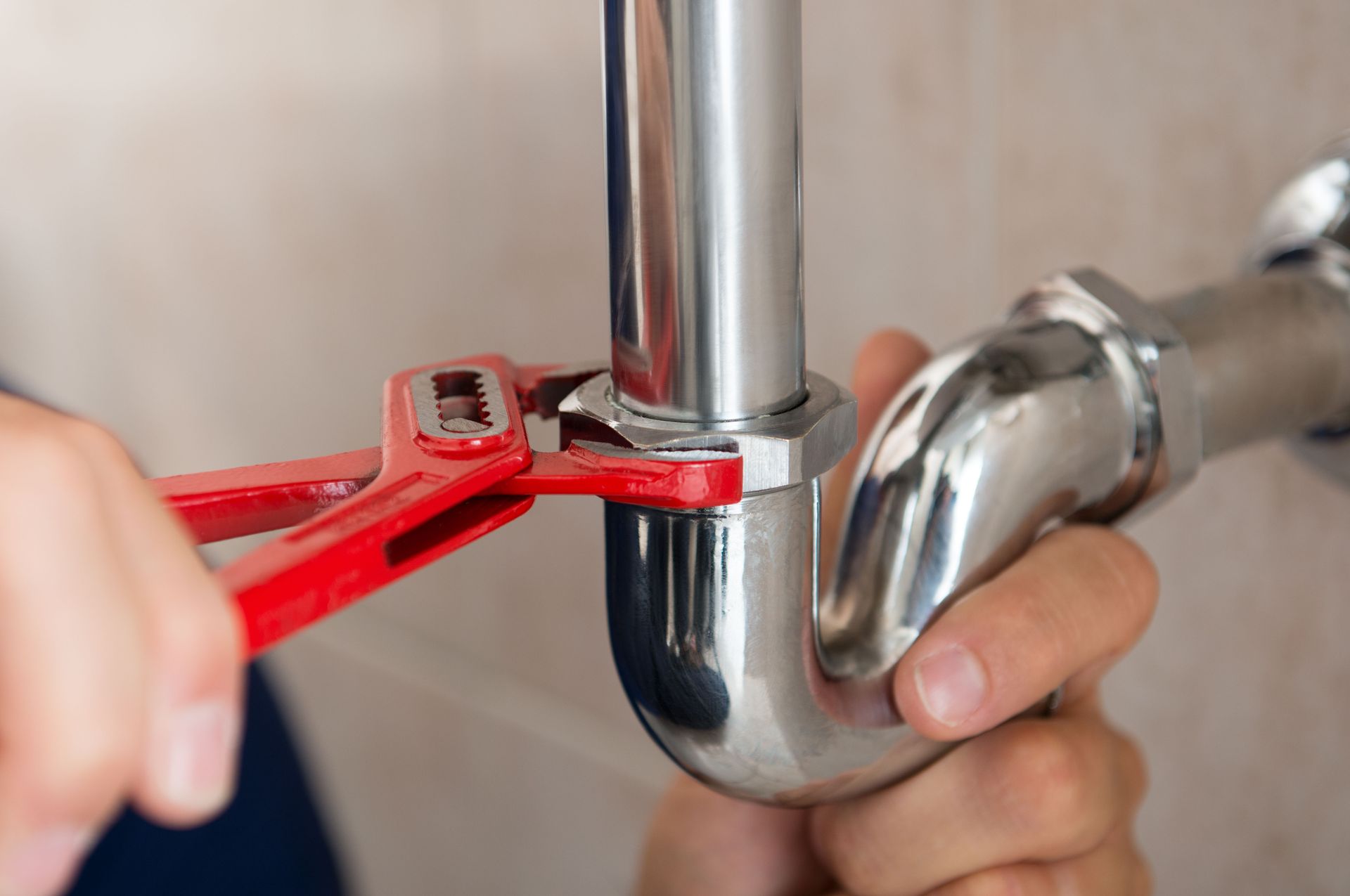
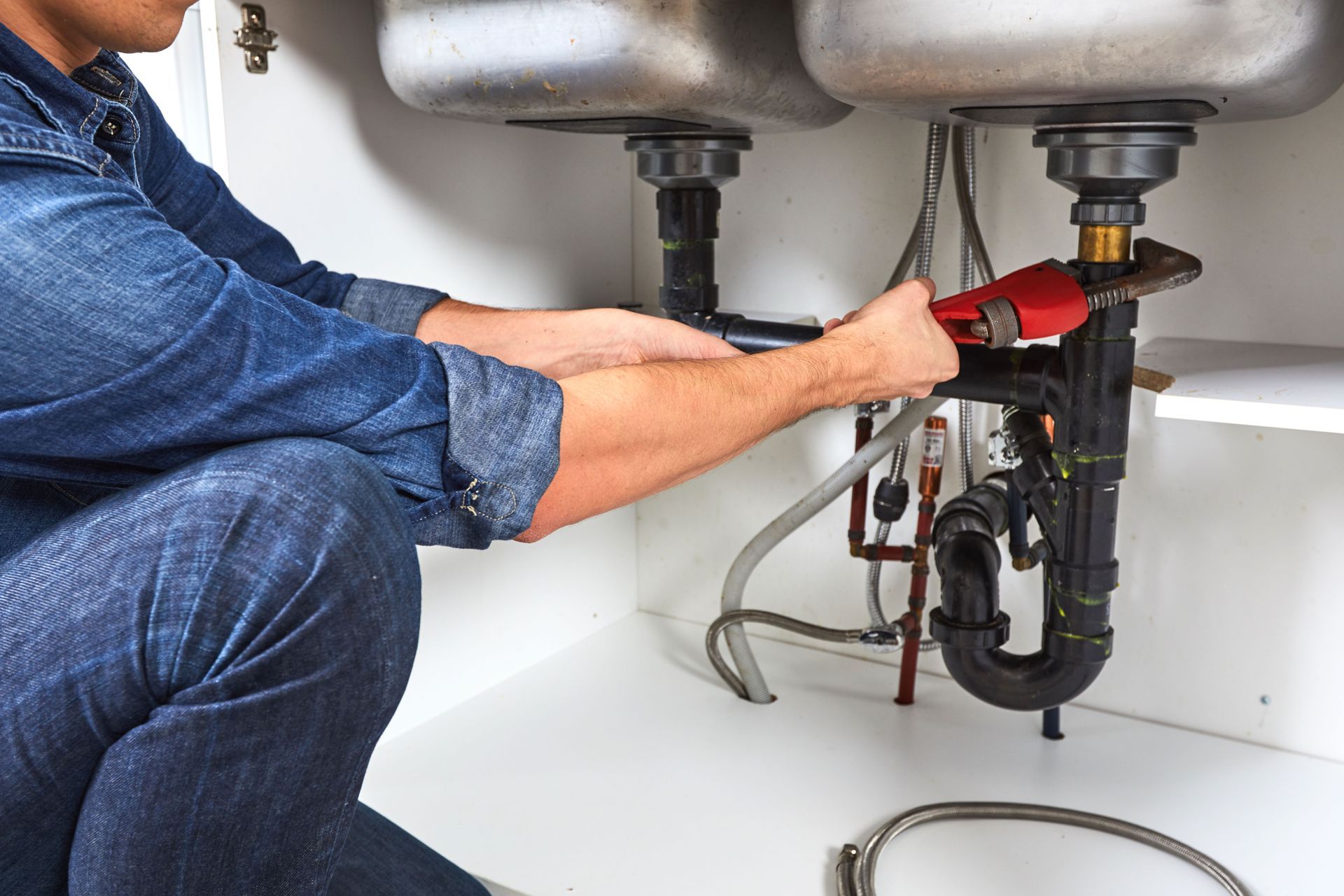
Integrating this sophisticated technology into your existing plumbing architecture requires careful planning and a solid understanding of fundamental pipe routing principles. The optimal installation location typically resides near the municipal entry point, ensuring downstream fixtures benefit from the newly purified flow. Technicians must initially isolate the property by shutting down the street valve and draining residual moisture from the overhead lines to prevent interior floods. Once the work area remains dry, the installer carefully splices a dedicated bypass loop into the mainline. This bypass configuration allows homeowners to temporarily divert untreated flow around the conditioning equipment during maintenance routines or emergency repairs.
After establishing the bypass loop, the installer connects the inlet and outlet ports using flexible connectors that absorb mechanical vibrations and prevent pipe fractures. A dedicated drainage hose must be meticulously routed from the control head downward into a nearby floor drain or standpipe to handle the heavy brine discharge during automated flushing cycles. Ensuring an appropriate air gap exists at the end of this discharge tube prevents disastrous sewage back-siphoning from contaminating the pristine resin bed. Finally, the auxiliary brine reservoir receives a heavy initial dose of high-purity salt pellets and a foundational layer of moisture to begin dissolving the chemical brine. The most reliable water softeners always undergo a manual testing sequence following installation to verify flawless valve operation, confirm watertight integrity across all soldered connections, and purge trapped atmospheric air bubbles from the pressurized matrix.
Maintaining Peak Operational Efficiency
Homeowners must perform basic maintenance routines to preserve flawless chemical performance and extend the overall mechanical lifespan of the equipment. The most frequent operational chore involves monitoring the granular supply inside the auxiliary storage bin and replenishing the chemical stockpile before the internal liquid level becomes exposed. Allowing the reservoir to completely empty forces the digital control head to attempt regeneration without the necessary sodium concentration, which fails to clean the active resin bed and allows harsh minerals to flood the domestic piping network. When adding fresh supplies, cautious homeowners should utilize premium evaporated pellets rather than raw crystalline rock alternatives, which contain dirt and insoluble impurities that gradually form a suffocating sludge layer.
Occasionally, high environmental humidity causes the granular pellets to fuse together into a massive, impenetrable dome known as a salt bridge. This frustrating phenomenon creates a deceptive visual illusion, making the storage bin appear entirely full while an empty cavern of sheer moisture exists beneath the hardened crust. Homeowners suspecting this issue should gently prod the surface with a blunt broom handle to collapse the rigid structure and restore proper chemical dissolution. Implementing these preventative strategies ensures that your chosen water softeners consistently deliver peak purification performance without requiring expensive emergency interventions.
Upgrading your residential plumbing network with advanced conditioning technology guarantees immediate improvements in your daily washing and bathing experiences. The complete transformation from harsh mineral flows to silky moisture effectively protects every pipe, fixture, and appliance connected to your main utility line. Careful selection combined with consistent upkeep ensures this essential equipment delivers pristine hydration and immaculate cleanliness throughout your property for many consecutive seasons. Fore more information on how water softeners improve your home's water quality, contact Tall Pines Plumbing.














Share On: